If you manufacture snacks, soups, bakery products or ready meals, potato flakes are probably one of your highest-volume ingredients — and one of the easiest to get wrong. A supplier who ships inconsistent moisture content or off-colour flakes can stop your production line, trigger customer complaints and cost far more than the price difference that made them look attractive.
This checklist walks you through exactly what to verify before signing a supply contract, whether you are buying one container or planning an annual programme.
1. Start with the specification sheet, not the price
A serious potato flakes manufacturer will hand you a detailed specification sheet before you ask. The numbers that matter most:
Moisture content should be below 8%. Anything higher risks microbial growth and clumping during storage, especially in humid destination ports.
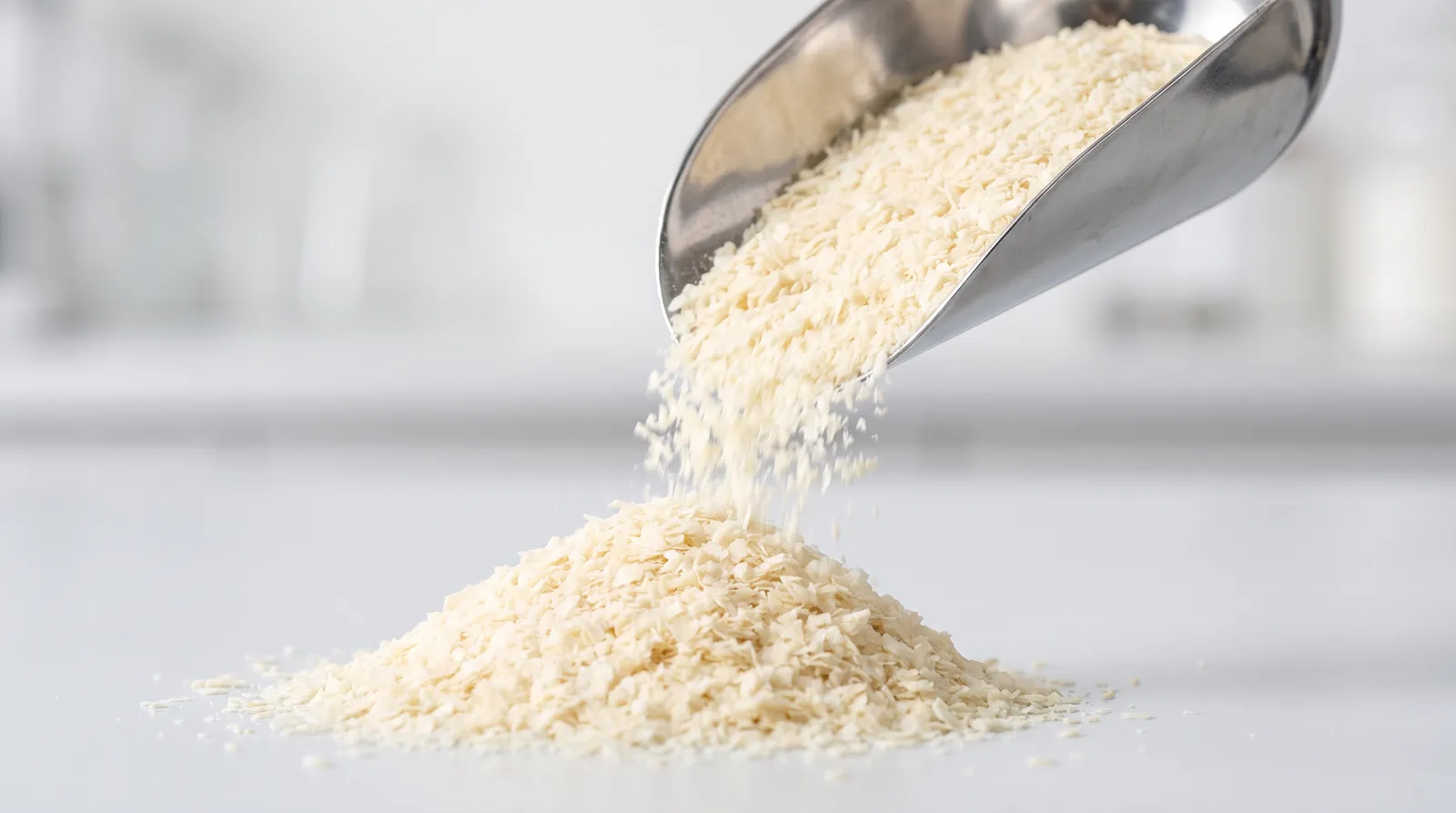
Colour and appearance should be creamy white to pale yellow with no dark specks. Dark specks usually mean peel residue or scorching during drum drying.
Reconstitution ratio tells you how much mashed potato you get per kilogram of flakes — typically around 1:4–5 by weight with hot water or milk. A poor ratio quietly inflates your real ingredient cost.
Cold water solubility, bulk density and granulation determine how the flakes behave in your specific application, from extruded snacks to instant mash.
Ask for the microbiological limits too: total plate count, yeast and mould, E. coli, Salmonella. If a supplier hesitates to share these, walk away. (Ours are published openly on the specifications page.)

2. Check certifications that match your market
Certifications are not decoration — they decide which markets your finished product can enter.
For buyers importing into the Middle East, Halal certification is non-negotiable. For the EU, UK and North America, look for BRCGS, HACCP and ISO 22000. Buyers serving Jewish communities will need Kosher. Within India, FSSAI licensing is the baseline, and exporters should be registered with APEDA (the Agricultural and Processed Food Products Export Development Authority).
Ask for certificate copies with valid dates and verify the certificate numbers with the issuing body. Expired certificates are one of the most common problems in agri-commodity sourcing — our certifications page explains what each accreditation actually guarantees you.
3. Audit the raw material story
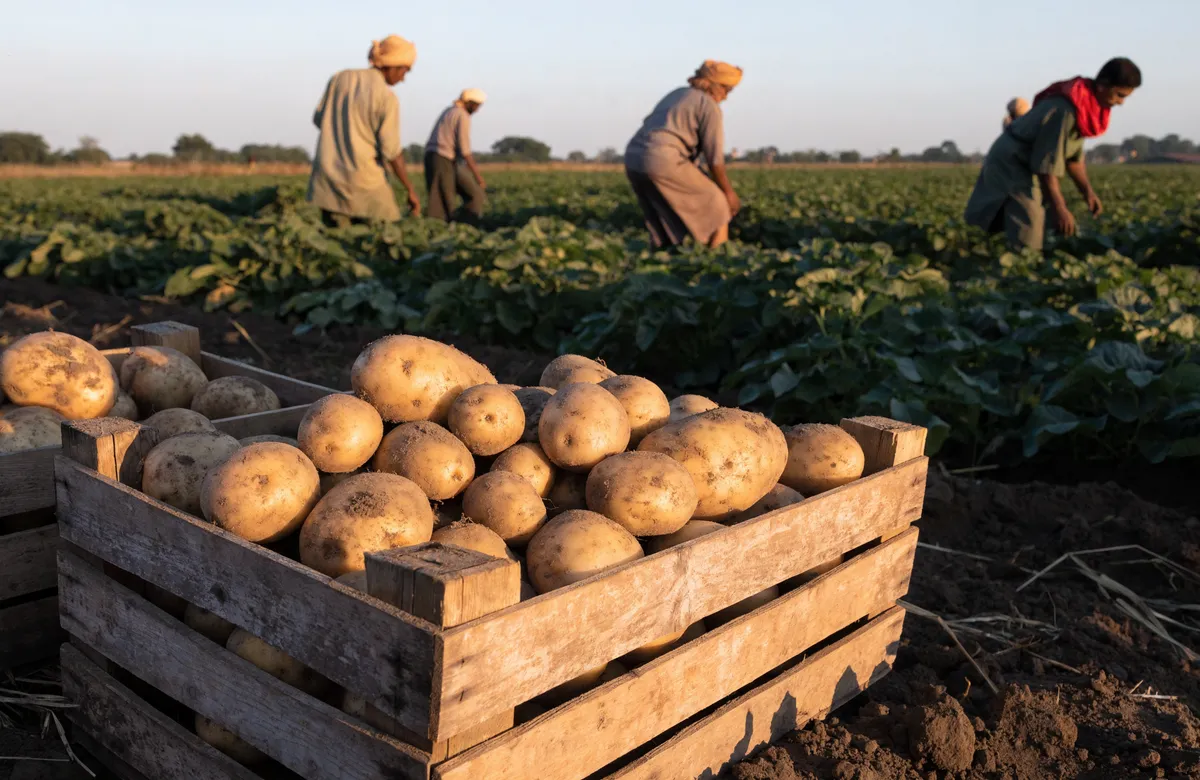
Great flakes start in the field. India’s processing belt grows process-grade varieties such as Chipsona-1, Chipsona-2, Lady Rosetta and Frysona, bred for high dry-matter content and low reducing sugars. A manufacturer who works directly with contract farmers can tell you which varieties go into your flakes and how they manage the cold chain between harvest and processing.
Why does this matter to you? Because dry-matter content in the raw potato directly drives flake yield, texture and flavour. Suppliers who buy whatever is cheapest at the mandi that week will never give you batch-to-batch consistency. (This is exactly why we run our own farm-to-flake value chain.)
4. Understand the packaging and shelf life
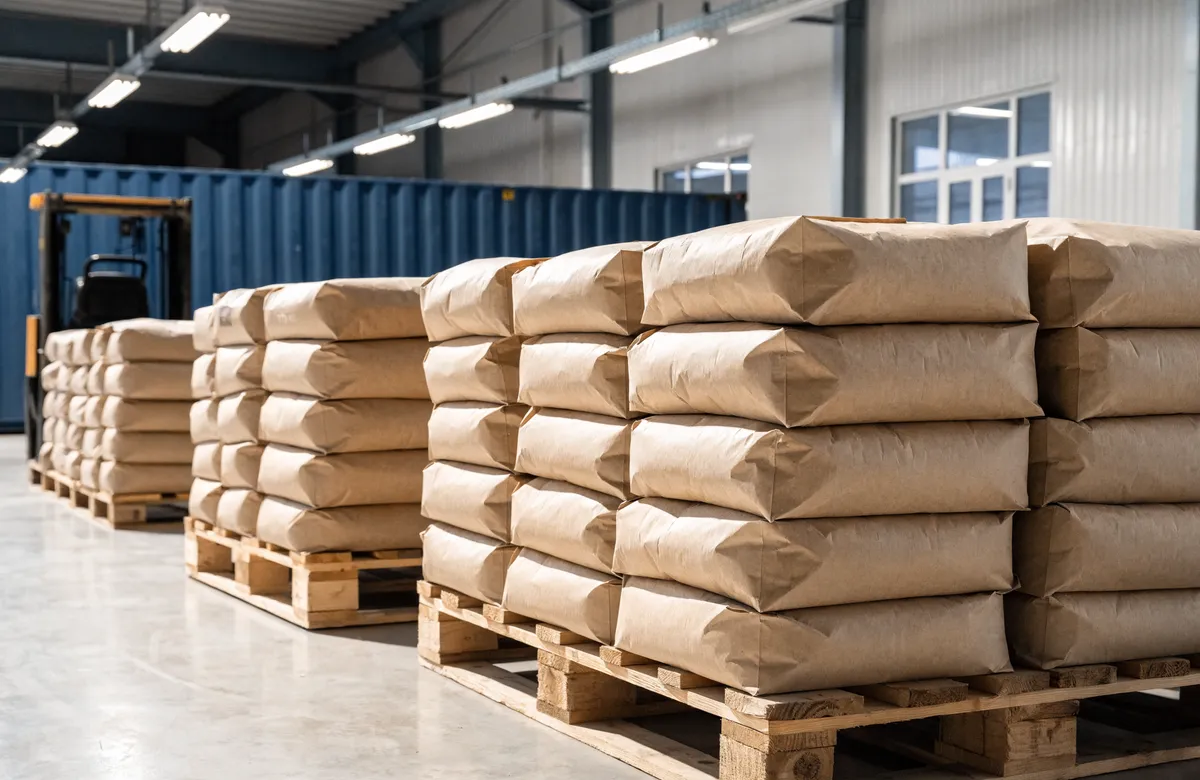
Standard export packaging for potato flakes is a 25 kg multi-wall kraft paper bag with a food-grade polyethylene liner, loaded roughly 12–14 tonnes to a 20-foot container. Confirm:
- Shelf life of 12–24 months when stored below 25 °C in dry conditions
- Nitrogen flushing or oxygen barriers if your application demands longer freshness
- Private-label or custom packaging options if you resell
- Fumigation and phytosanitary documentation for your destination country
5. Ask the export-experience questions
An exporter who has actually shipped to your region will answer these instantly:
- Which ports do you ship from, and what is the typical lead time to my port?
- Do you handle CIF/CFR terms, or FOB only?
- Can you provide a Certificate of Origin, health certificate and phytosanitary certificate?
- What is the HS code you declare? (Dehydrated potato flakes ship under HS 1105.20 — our export documentation guide covers the full paper trail.)
- Can you share references from buyers in my market?
6. Test before you commit
Order a sample, then a trial container, before an annual contract. Run the sample through your actual production process — reconstitution behaviour in a lab beaker and in a 500 kg batch mixer are different things. Reputable manufacturers expect this and will support trial orders without minimum-quantity games.
The bottom line
The cheapest quote is rarely the cheapest supplier. Score every candidate on specification transparency, certification validity, raw-material control, packaging quality and export track record — then negotiate price with the two or three who pass.
Looking for a potato flakes manufacturer in India that ticks every box on this checklist? Contact 3Brothers Agri for a specification sheet, current pricing and samples.